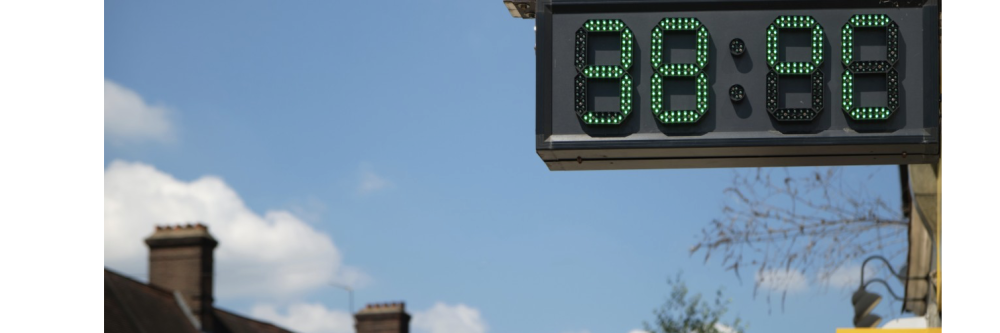
Operational pressures for the NHS are no longer confined to the winter
For many years, conversations about NHS resilience have centred on winter. The familiar cycle of cold weather, seasonal illness and increased demand has shaped the way we talk about pressure across the health service. Yet the last four years have shown that the challenges facing the NHS are no longer isolated to the winter. They are continuous, they are increasingly complex, and they are being intensified by the effects of climate change. Senior NHS managers are reporting how this June/July heatwave is “busier than some of the busiest days during winter.”
The recent spate of heatwaves has demonstrated how rising temperatures can disrupt clinical activity in ways that were once considered exceptional. Hospitals across the country have reported theatres becoming too hot to operate safely, with some procedures paused mid‑way because equipment and environmental conditions could no longer be maintained within safe limits; this was reported in the Telegraph on 9th July 2026 by Tim Lane, President of the Royal College of Surgeons. Data centres have overheated, affecting digital systems that clinical teams rely on every day. Staff have worked in conditions that were uncomfortable and, at times, unsafe. These events have not been isolated, and they have occurred with increasing frequency, creating operational strain during months that were traditionally viewed as more stable.
The impact of extreme heat is only one part of a wider picture. The NHS must now prepare for a climate that brings more intense rainfall, more frequent flooding and more unpredictable temperature swings. A recent report released by Josh Gabbatiss, Policy Correspondent of Carbon Brief, shared alarming stats, where at least 67 NHS hospital departments had been forced to temporarily close or relocate due to weather-related flooding over the past five years. It equated to 3,000 days of closures.
Each of these conditions affects the estate in different ways. Heavy rain can compromise ageing roofs and drainage systems, disrupt access routes and place pressure on electrical and mechanical infrastructure. Sudden drops in temperature can strain heating systems and create risks for vulnerable patients. The combination of heat, cold and rain creates a year‑round cycle of environmental stress that the current estate was never designed to withstand.
This does not diminish the extraordinary work that NHS teams deliver every day. It highlights the reality that many buildings are operating far beyond their intended lifespan and specification. The estate has been asked to absorb rising demand, evolving clinical practice and increasingly volatile weather patterns without the level of investment required to keep pace. The result is a system that is resilient because of its people rather than because of its infrastructure.
To be fit for the future, the NHS needs an estate that can support safe care in all seasons. This means:
- designing buildings that can maintain stable temperatures during heatwaves
- protect critical digital infrastructure, manage humidity and air quality
- provide environments that remain comfortable for patients and staff throughout the year.
It means modern methods of construction that deliver:
- airtightness
- thermal performance
- intelligent environmental control.
- planning for extremes rather than averages and ensuring that every part of the estate is capable of adapting to the weather and dealing with the climate realities ahead.
The prospect of winter pressures is already visible on the horizon, yet it arrives in the wake of equally challenging summers. The NHS is now navigating a landscape where operational pressure is not confined to a single season but is shaped by a climate that is changing more rapidly than the estate can respond. This moment calls for a shift in how we think about resilience. It requires long‑term planning, modern infrastructure and a commitment to designing environments that protect patients, support staff and maintain service continuity in every month of the year.
The NHS has always risen to meet the needs of the nation. The next stage of that journey will depend on an estate that is capable of doing the same.