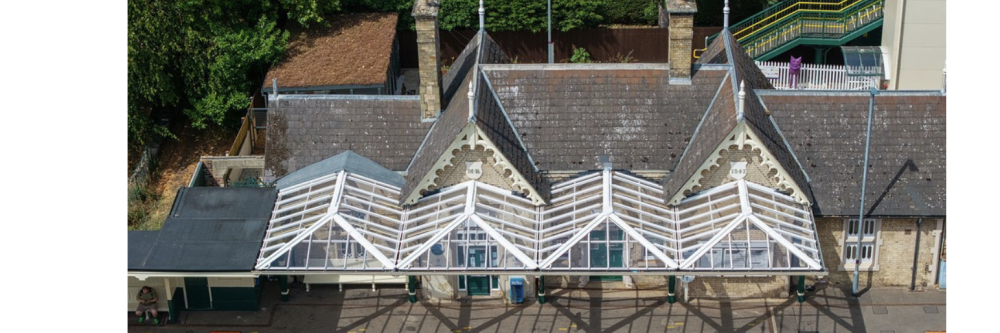
Twinfix Helps Bring Light Back to Historic Beeston Station
Specialist roof glazing manufacturer Twinfix has played a key role in the sympathetic restoration of Beeston Station in Nottinghamshire, supplying its Multi-Link-Panel Non-Fragile roof glazing system as part of Network Rail's £1.36 million refurbishment of the station's historic canopy and platform shelters.
Grade II-listed Beeston Station dates back to 1847 and is the earliest surviving Midland Railway station. The recent refurbishment was undertaken to address deterioration to the historic platform structures, while preserving their character and improving the station environment for passengers.
As part of the works, Twinfix supplied its Multi-Link-Panel Non-Fragile roof glazing system across four canopy lanterns, each measuring 6 metres in width.
The system incorporated clear solid Exolon polycarbonate, selected to maximise natural daylight beneath the canopy while retaining a clear glazed appearance sympathetic to the historic structure.
Lightweight and highly impact resistant, polycarbonate was particularly well suited to the refurbishment of the existing canopy, providing a robust glazing solution without the weight associated with traditional glass.
Safety and Future Maintenance Designed In
Long-term access and maintenance were important considerations within the roof glazing design.
A total of 14 integrated in-line access hatches were incorporated across the four lanterns, providing purpose designed access for future inspection, cleaning and gutter maintenance. As the hatches form part of the Multi-Link-Panel system, they provide dedicated access without the need to remove glazing panels.
Multi-Link-Panel is tested in accordance with ACR[M]001:2019 and achieves a Class B non-fragile rating, providing an important safety benefit for future roof level inspection and maintenance.
The modular panels are factory assembled, reducing the amount of assembly required at roof level and supporting efficient installation, particularly valuable when working within an operational railway environment.
Collaboration at the Heart of the Restoration
Successful delivery of the project relied on close collaboration between Network Rail and the specialist businesses involved in the restoration.
Colt Construction Limited acted as principal contractor, with Orchard Roofing & Building Ltd delivering the roofing works. Haydn Evans Consulting Ltd provided design expertise, helping to develop a solution that respected the station's historic character while meeting modern performance, safety and maintenance requirements.
Twinfix provided the specialist roof glazing system and technical expertise, drawing on more than 35 years of experience delivering canopy and roof glazing solutions across the UK.
The project also brought together several established, independently owned family businesses, each contributing specialist knowledge and a shared commitment to quality and long-term performance.
Vicky Evans (Kench), Managing Director at Twinfix, said:
“Beeston Station is a great example of how modern roof glazing can be used to sympathetically restore historic railway infrastructure while improving safety and long-term maintainability.
“The clear solid polycarbonate has helped bring natural light back beneath the canopy, while our Multi-Link-Panel system provides the non-fragile performance and integrated access needed for future inspection and maintenance.
“We're proud to have played a part in preserving the character of this historic station. It was a real collaborative effort, working alongside Network Rail, Colt Construction, Orchard Roofing & Building and Haydn Evans Consulting to deliver a solution that will serve the station and its passengers for many years to come.”
Bringing Light Back to Beeston Station
The completed refurbishment has renewed an important part of Beeston Station's railway heritage, creating a brighter environment beneath the canopy while providing a robust and maintainable roof glazing solution for the future.
The project demonstrates how modern roof glazing technology can be successfully incorporated into historic railway infrastructure. By combining clear solid polycarbonate, Multi-Link-Panel Non-Fragile technology and integrated maintenance access, the renewed glazing balances the character of the station with the practical requirements of today's railway.
It also demonstrates the value of collaborative working, bringing together the client, designer, principal contractor, roofing contractor and specialist manufacturer to give the historic station canopy a new lease of life.